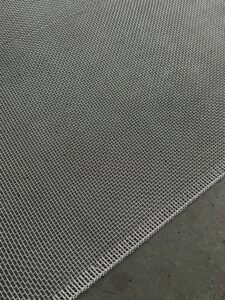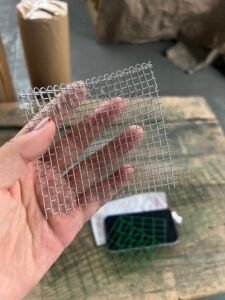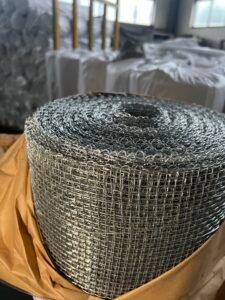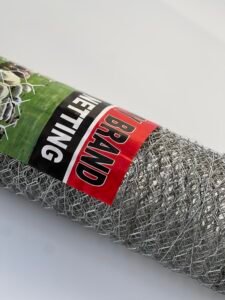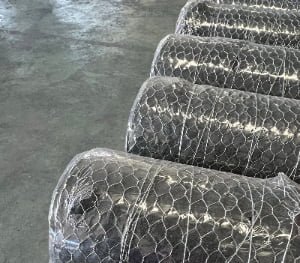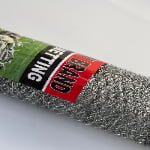
The weaving process interlaces warp and weft wires to form a strong, uniform wire mesh with precise openings and excellent structural stability.
The weaving process is a manufacturing method in which metal wires are interlaced at right angles to form a uniform and stable mesh structure. It is widely used for producing woven wire mesh with precise openings and consistent strength.
1. Raw Material Preparation
High-quality metal wires (such as low carbon steel wire, galvanized wire, or stainless steel wire) are selected according to the required specifications. The wires are drawn to the specified diameter and straightened before weaving.
2. Warping
Longitudinal wires (warp wires) are arranged evenly on the weaving machine under controlled tension. Proper tension ensures accurate mesh opening and prevents deformation during the weaving process.
3. Weaving
Transverse wires (weft wires) are woven alternately over and under the warp wires using mechanical weaving machines. Different weaving patterns can be applied, such as:
-
Plain weave
-
Twill weave
-
Dutch weave
Each pattern provides different strength, flexibility, and filtration performance.
4. Edge Treatment
After weaving, the mesh edges can be treated according to customer requirements, such as knuckled edges, cut edges, or wrapped edges, to improve safety and durability.
5. Inspection and Finishing
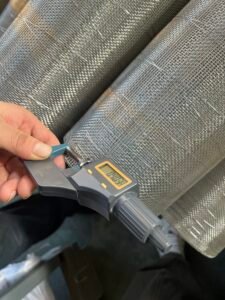
The finished woven wire mesh is inspected for mesh opening accuracy, wire diameter, surface quality, and overall flatness. Additional surface treatments (galvanizing, PVC coating, or polishing) can be applied if required.
6. Packing
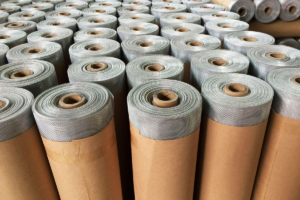
Finally, the woven wire mesh is rolled or cut into panels and packed with moisture-proof materials to ensure safe transportation and storage.